

African textiles are known around the world for their vibrant colors, cultural symbolism, and artistic designs. Among these textiles, African tie and dye fabric, also known as Adire, stands out as one of the most culturally rich and historically significant fabrics in West Africa. Over the years, Adire has evolved from a traditional handcrafted textile into a globally admired fashion material used in modern clothing, interior design, and contemporary art.
Today, Adire fabric is widely used to create beautiful dresses, gowns, casual outfits, and stylish fashion pieces. From elegant maxi dresses to trendy two-piece outfits, tie and dye dresses have become increasingly popular among fashion lovers worldwide.
In this guide, you will discuss everything you need to know about tie and dye fabric, including its history, how it is made, the different types available, and the difference between Adire and Ankara fabric.
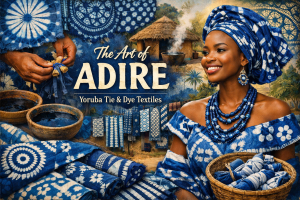
What Is African Tie and Dye Fabric?
Tie and dye fabric refers to a traditional textile design technique where cloth is tied, folded, stitched, or bound before being dyed to create unique patterns. In West Africa, particularly in Nigeria, this technique is known as Adire, a Yoruba word that translates to “tie and dye.”
The beauty of Adire lies in its handcrafted nature. Unlike machine-printed fabrics, each piece of Adire fabric is unique. The patterns created during the tying and dyeing process often result in beautiful, irregular shapes, circles, lines, and abstract designs.
Traditionally, artisans used natural indigo dye, which produced deep blue tones. Today, modern tie and dye fabrics come in a variety of colors including:
- Blue
- Purple
- Brown
- Yellow
- Green
- Multicolor blends
Because every piece is handmade, no two Adire fabrics are the same. This uniqueness makes tie and dye dresses highly valued in fashion.
History of Adire Fabric in Africa
The history of Adire fabric in Africa dates back several centuries and is deeply rooted in Yoruba culture in southwestern Nigeria. Adire production became especially popular in cities such as Abeokuta and Ibadan, where local artisans developed advanced dyeing techniques.
Early Origins
Initially, Adire was made using locally woven cotton cloth. Women played a major role in the production process, especially in dyeing and pattern creation. They used natural indigo dye extracted from plants to produce the characteristic deep blue colours associated with traditional Adire.
These fabrics were not only used for clothing but also served as symbols of social status, wealth, and cultural identity.
Expansion in the 19th and 20th centuries
During the 19th century, the Adire industry expanded significantly in Nigeria. Trade networks allowed fabric to spread across West Africa, making it one of the region’s most recognisable textiles.
European merchants later introduced imported cotton fabrics, which were easier to dye and helped increase Adire production. This development allowed artisans to experiment with more complex patterns and styles.
Modern Revival
In recent years, Adire has experienced a major revival in African fashion. Designers now incorporate tie and dye fabrics into contemporary clothing such as:
- Modern dresses
- Stylish jumpsuits
- Two-piece outfits
- Blazers and jackets
- Luxury gowns
Today, modern African tie and dye dress styles are worn globally, making Adire an important part of African fashion heritage.
How African Tie and Dye Fabric Is Made
Understanding how tie and dye fabric is made helps appreciate the skill and creativity involved in its production. The process involves several steps that require patience and craftsmanship.
1. Preparing the Fabric
The process begins with selecting the right fabric. Cotton is commonly used because it absorbs dye easily. The fabric is first washed to remove chemicals and dirt that might interfere with the dyeing process.
2. Creating the Patterns
Next, artisans create patterns by manipulating the fabric in different ways. This step determines the final design of the fabric.
Common pattern techniques include:
- Tying: Sections of the cloth are tightly tied with thread or rope.
- Folding: The fabric is folded into different shapes before dyeing.
- Stitching: Certain areas are stitched tightly to resist dye.
- Clamping: Objects like stones or wood pieces are used to block dye penetration.
These techniques prevent dye from reaching certain parts of the cloth, forming beautiful patterns once the fabric is dyed.
3. Dyeing the Fabric
After the fabric is tied or folded, it is immersed in dye. Traditionally, artisans used indigo dye extracted from plants. The cloth may be dipped multiple times to achieve deeper colours.
Modern Adire production sometimes uses synthetic dyes, which allow for a wider range of colours.
4. Drying and Washing
Once dyeing is complete, the fabric is removed and dried. After drying, the ties or stitches are removed to reveal the patterns created during the dyeing process.
The fabric is then washed again to remove excess dye and improve color stability.
5. Finishing
Finally, the fabric is ironed or processed to prepare it for sewing into garments such as dresses, shirts, skirts, and gowns.
The result is a beautiful piece of African tie and dye fabric ready to be used in fashion.
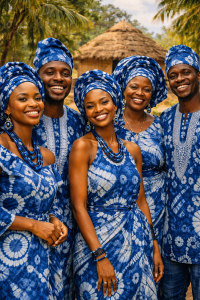
Types of African Tie and Dye Fabrics (Adire Styles)
There are several types of Adire fabrics, each defined by the technique used to create the patterns. Some of the most popular types include the following.
1. Adire Oniko
Adire Oniko is one of the oldest tie and dye techniques. In this method, the fabric is tied with raffia or thread to create small circular patterns. After dyeing, the tied areas remain lighter in colour, forming distinctive dot-like designs.
Adire Oniko fabrics are commonly used for casual tie and dye outfits and traditional clothing.
2. Adire Alabere
Adire Alabere involves stitching patterns onto the fabric before dyeing. The stitches resist dye, creating intricate designs once they are removed.
This technique allows artisans to produce more detailed and controlled patterns compared to simple tying methods.
3. Adire Eleko
Adire Eleko uses a resist paste made from starch, cassava flour, or clay. The paste is applied to the fabric using stencils or freehand drawing.
Once dyed, the areas covered with the paste remain undyed, forming complex artistic patterns.
This method is often used to create high-quality Adire fabrics for fashion designers.
Modern Tie and Dye Variations
Today, modern techniques combine traditional craftsmanship with contemporary creativity. Designers experiment with:
- Multiple dye colors
- Gradient effects
- Abstract patterns
- Mixed fabrics
These innovations have helped transform tie and dye dresses into global fashion statements.
Difference Between Adire and Ankara Fabric
Many people often confuse Adire fabric with Ankara fabric, but they are quite different in terms of production, design, and cultural background.
Production Method
Adire fabric is handmade using traditional dyeing techniques. The patterns are created by tying, stitching, or applying resist materials before dyeing.
Ankara fabric, on the other hand, is a machine-printed wax fabric produced industrially using wax-resist printing technology.
Pattern Style
Adire patterns are often organic, irregular, and artistic because they are handcrafted.
Ankara fabrics usually feature bold, symmetrical, and highly detailed prints created through industrial printing.
Cultural Origin
Adire originated from Yoruba textile traditions in Nigeria, while Ankara fabric was influenced by Indonesian batik techniques and later became widely produced in Africa.
Uniqueness
Because Adire fabrics are handmade, each piece is unique. Two pieces of Adire cloth rarely look exactly the same.
Ankara fabrics, however, are mass-produced and identical across multiple yards.
Both fabrics are widely used in African fashion, but Adire is often valued for its artisanal and traditional appeal.
Why Tie and Dye (Adire) Fabric Is Popular Today
In recent years, Adire has gained massive popularity in global fashion. Several factors contribute to its growing demand.
Cultural Heritage
Adire represents an important part of African cultural heritage. Wearing tie and dye clothing allows people to celebrate African identity and traditional craftsmanship.
Unique Designs
Because each fabric is handmade, Adire offers unique patterns that cannot be replicated by machines. This uniqueness attracts designers and fashion lovers.
Sustainability
Traditional Adire production uses natural materials and environmentally friendly dyeing methods, making it more sustainable compared to industrial textiles.
Fashion Versatility
Tie and dye fabrics can be used to create many types of clothing, including:
- Maxi dresses
- Casual dresses
- Skirts
- Blouses
- Jackets
- Two-piece outfits
This versatility makes African tie and dye dress styles suitable for different occasions.
How Tie and Dye Fabric Is Used in Modern Fashion
Modern designers are reinventing Adire by blending traditional techniques with contemporary fashion trends.
Some of the most popular fashion pieces made from tie and dye fabric include:
- Elegant maxi dresses
- Stylish casual dresses
- Modern jumpsuits
- Fashionable blazers
- Two-piece sets
- Statement gowns
These designs are worn to events such as weddings, parties, cultural festivals, and casual outings.
Fashion designers across Africa and internationally continue to incorporate Adire into their collections, helping the fabric gain recognition in global fashion markets.
Caring for African Tie and Dye Fabric
Proper care helps maintain the colour and quality of tie and dye fabric. You can also read our article on caring for an Ankara dress.
Here are some useful care tips:
- Wash with mild detergent.
- Avoid harsh bleach or chemicals.
- Wash in cold water to prevent color fading.
- Dry in shade rather than direct sunlight.
- Iron at moderate temperature.
Following these steps ensures that Adire clothing remains vibrant and durable.
Conclusion
African tie and dye fabric, also known as Adire, is more than just a textile. It represents centuries of cultural heritage, artistic craftsmanship, and African creativity. From its origins in Yoruba communities to its place in modern global fashion, Adire continues to evolve while preserving its traditional roots.
The process of making tie and dye fabric involves careful techniques such as tying, stitching, and dyeing, resulting in beautiful and unique patterns that cannot be replicated by machines. Different styles like Adire Oniko, Adire Alabere, and Adire Eleko showcase the diverse artistic possibilities within this traditional craft.
Although often compared with Ankara fabric, Adire remains distinct because of its handmade nature and deep cultural significance. Today, the fabric is widely used to create stylish dresses, gowns, and fashion pieces that appeal to both traditional and modern audiences.
As interest in African fashion continues to grow worldwide, African tie and dye fabric is likely to remain a key element in global fashion trends. Whether used in traditional clothing or modern designs, Adire stands as a powerful symbol of African heritage, creativity, and timeless style.